Interprint at Meble Polska 2026
Where material becomes an experience
What happens when a surface is no longer just something we see, but something we experience?
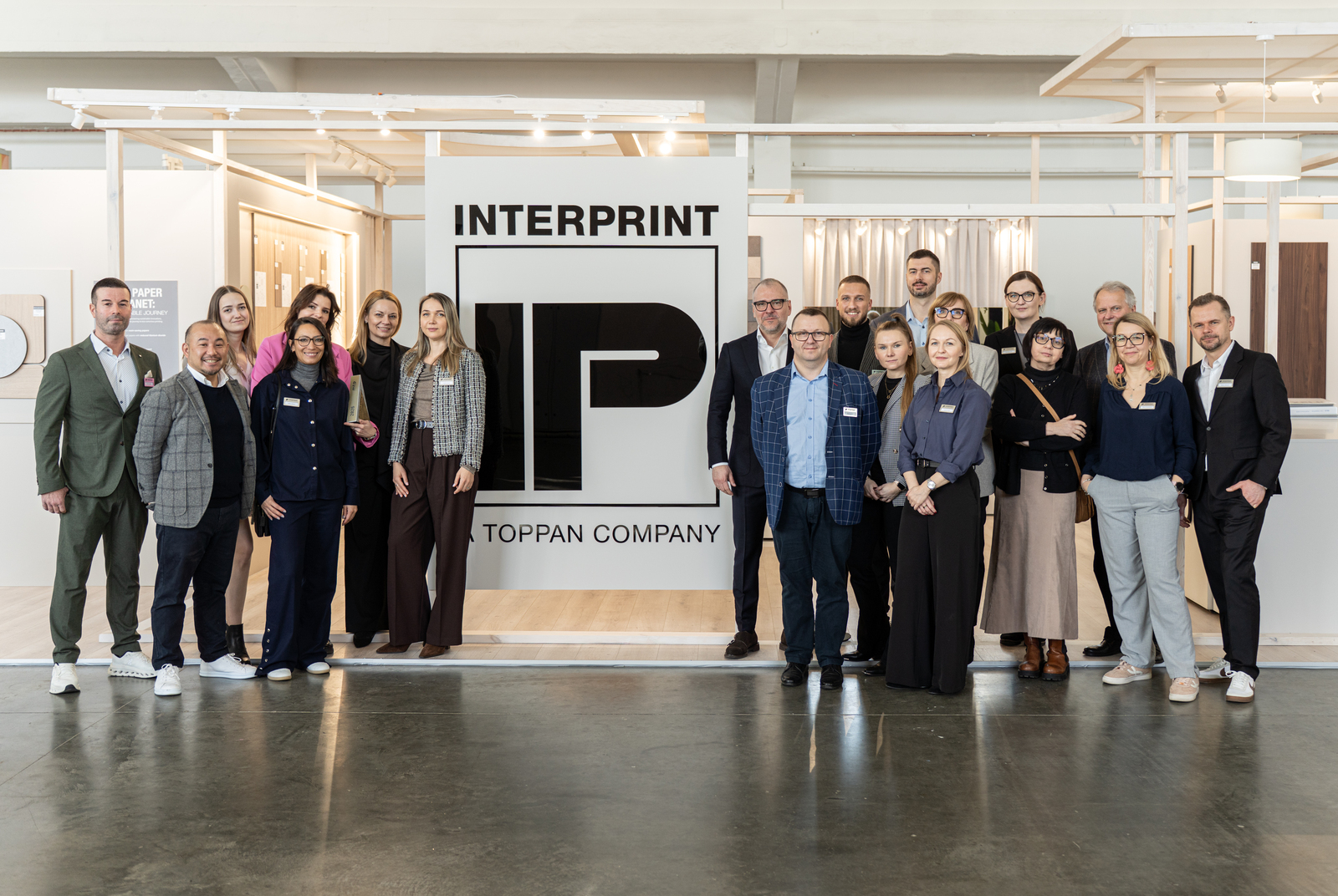
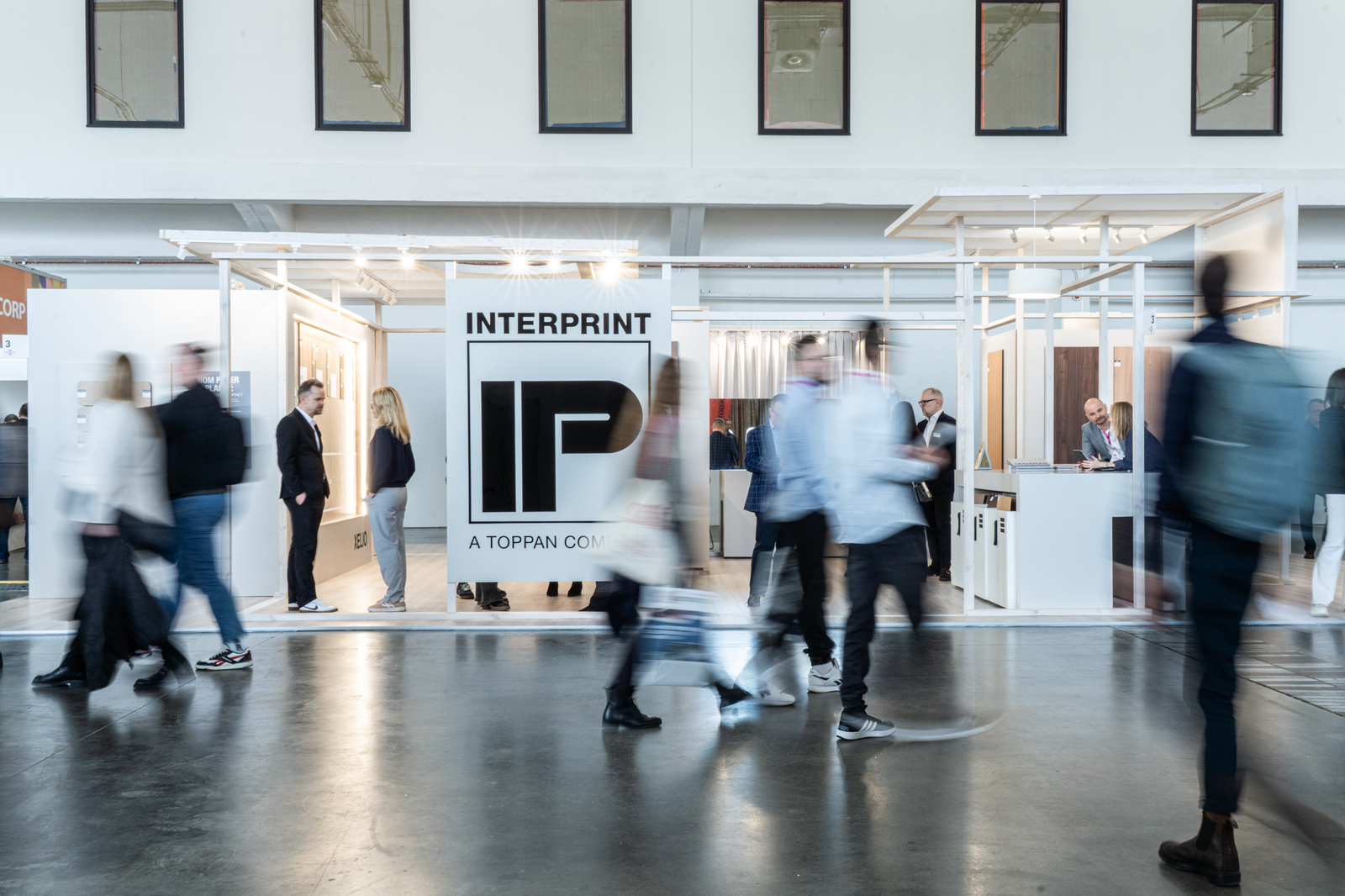
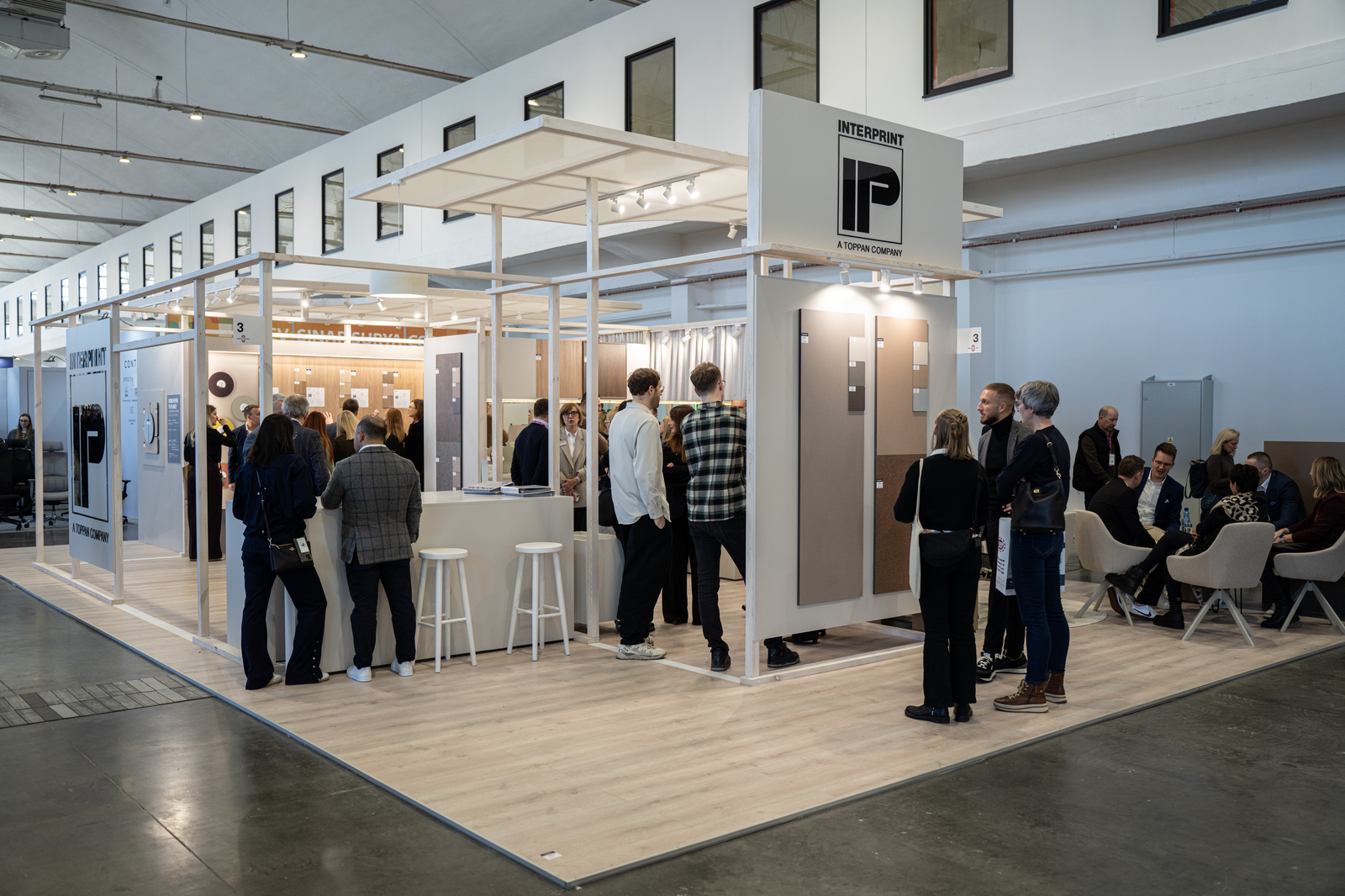
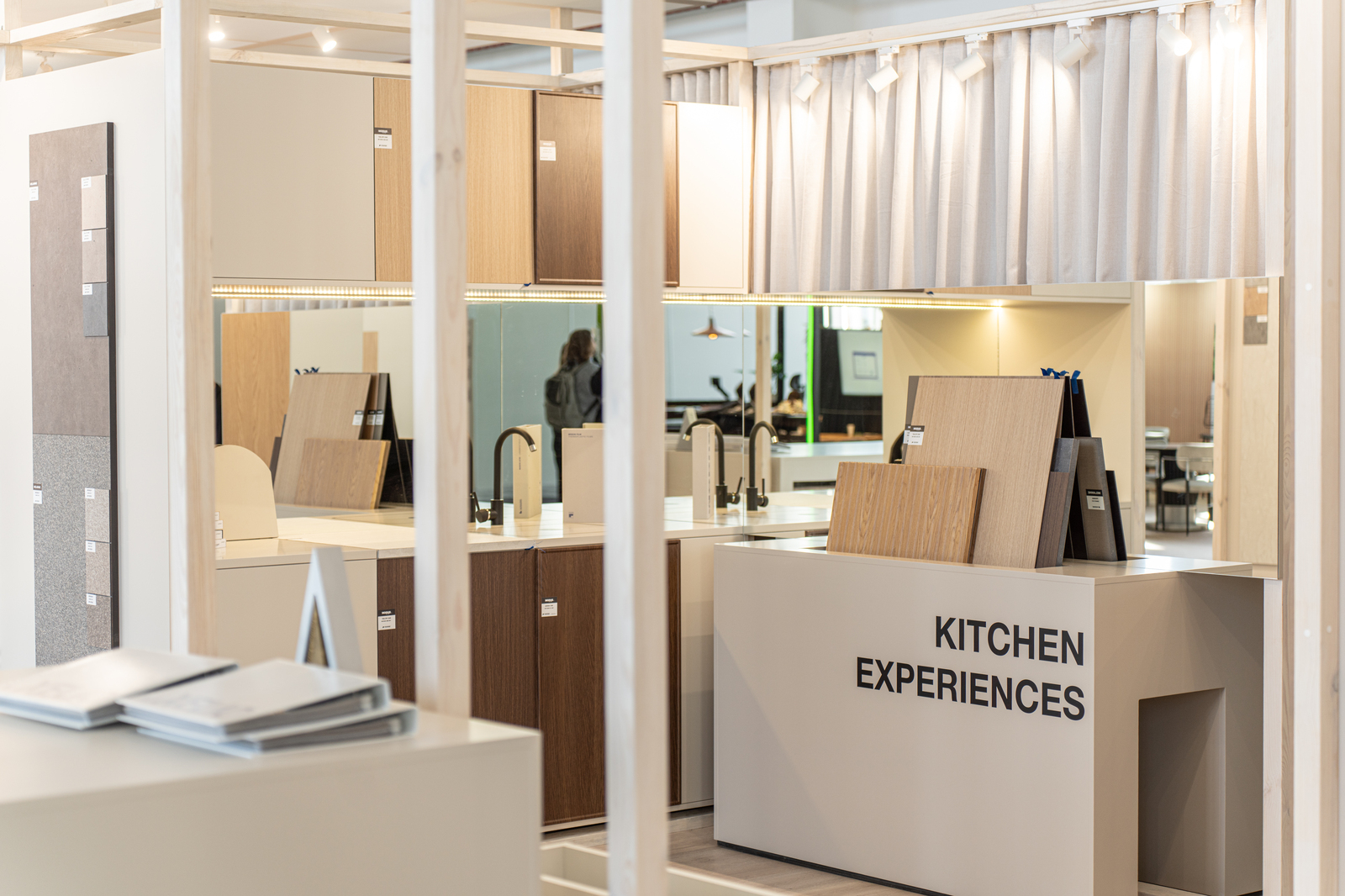
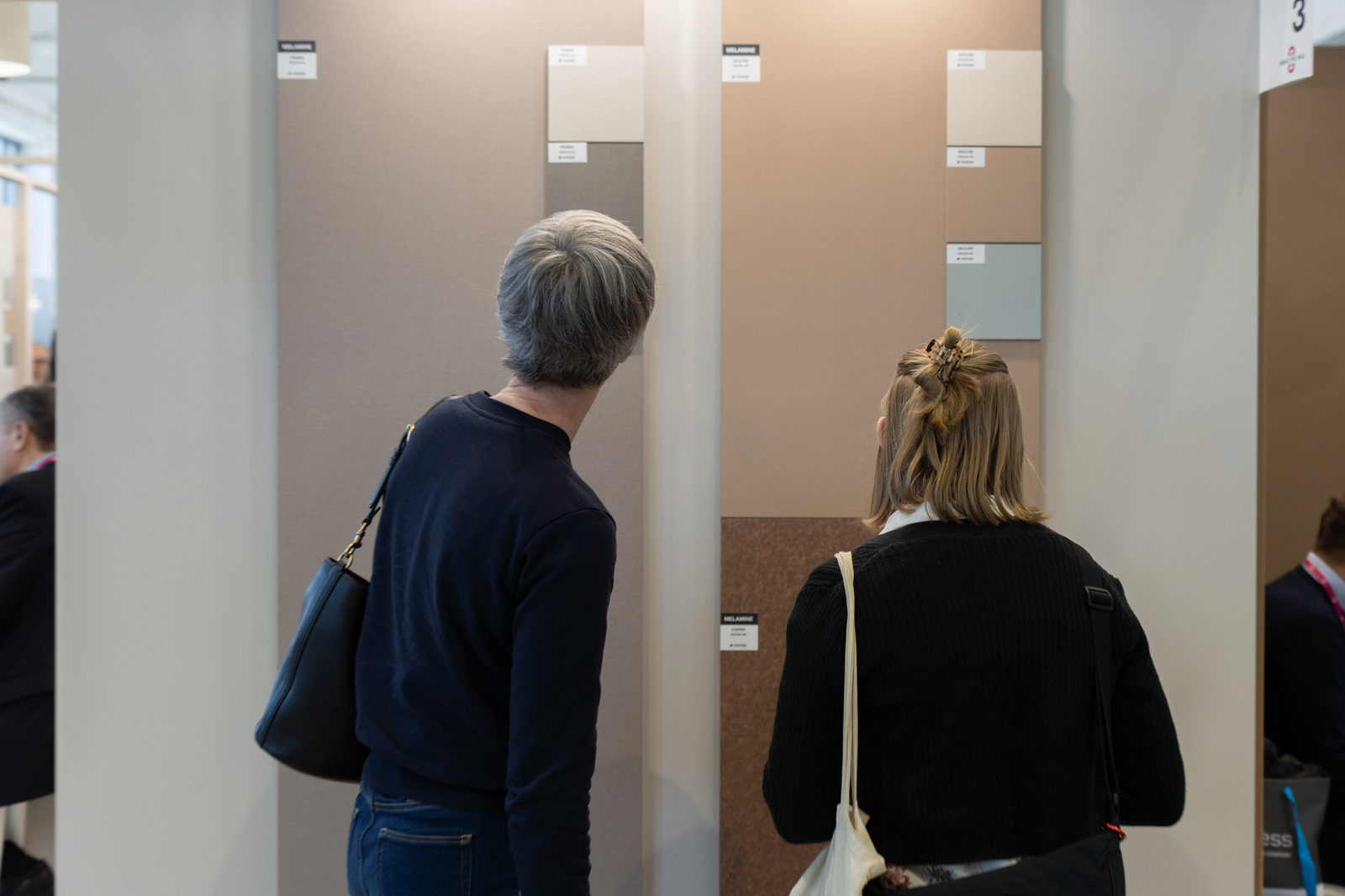
At Meble Polska 2026, Interprint invited visitors to look at materials in a completely new way. Not as individual samples, but as part of a real living space. The stand concept was built around experiencing materials in the context of their actual application. Interprint presented decorative surfaces as an integral element of contemporary interiors, allowing visitors to better understand their character and potential.
Sustainability as a long-term strategy
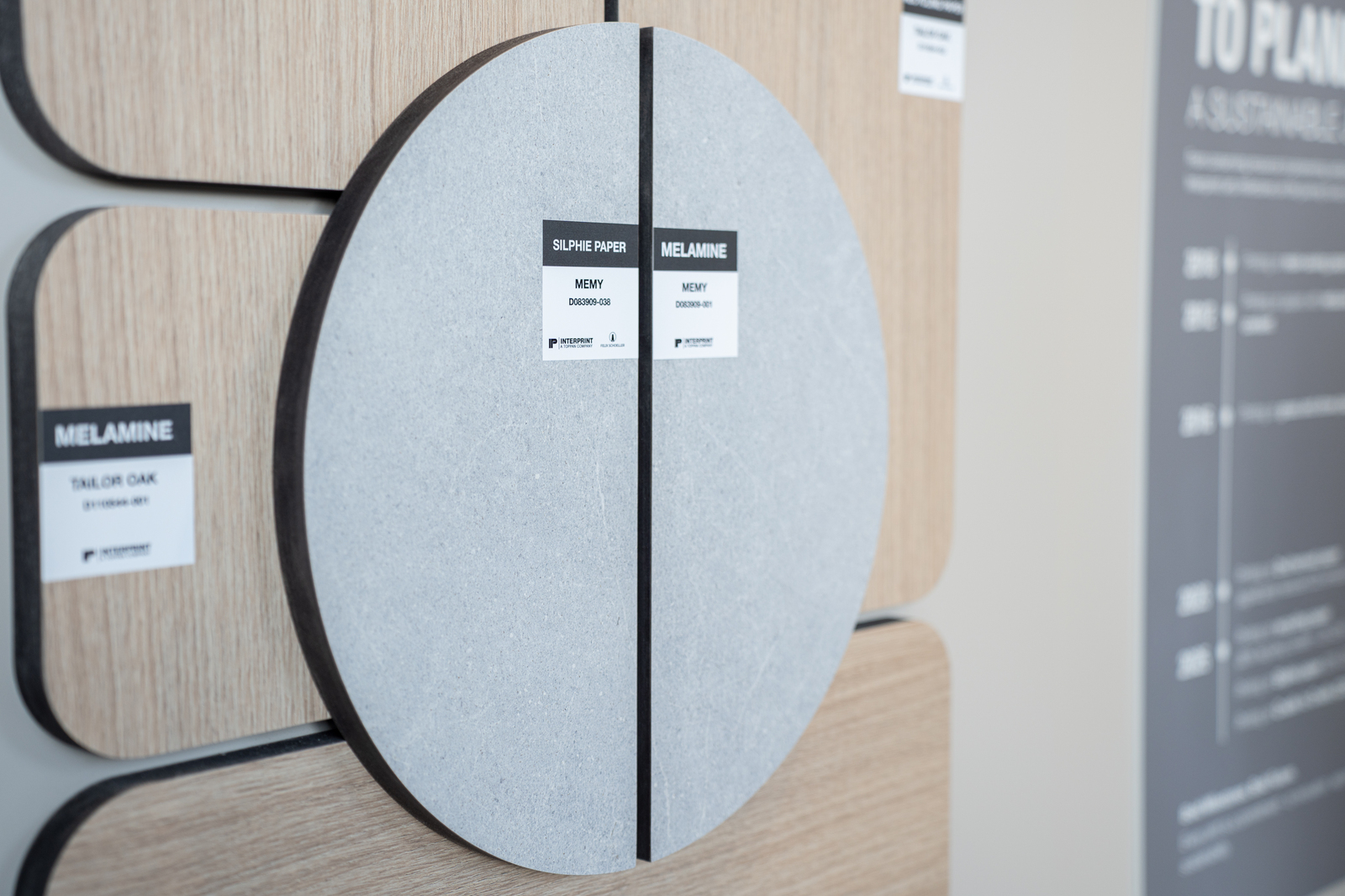
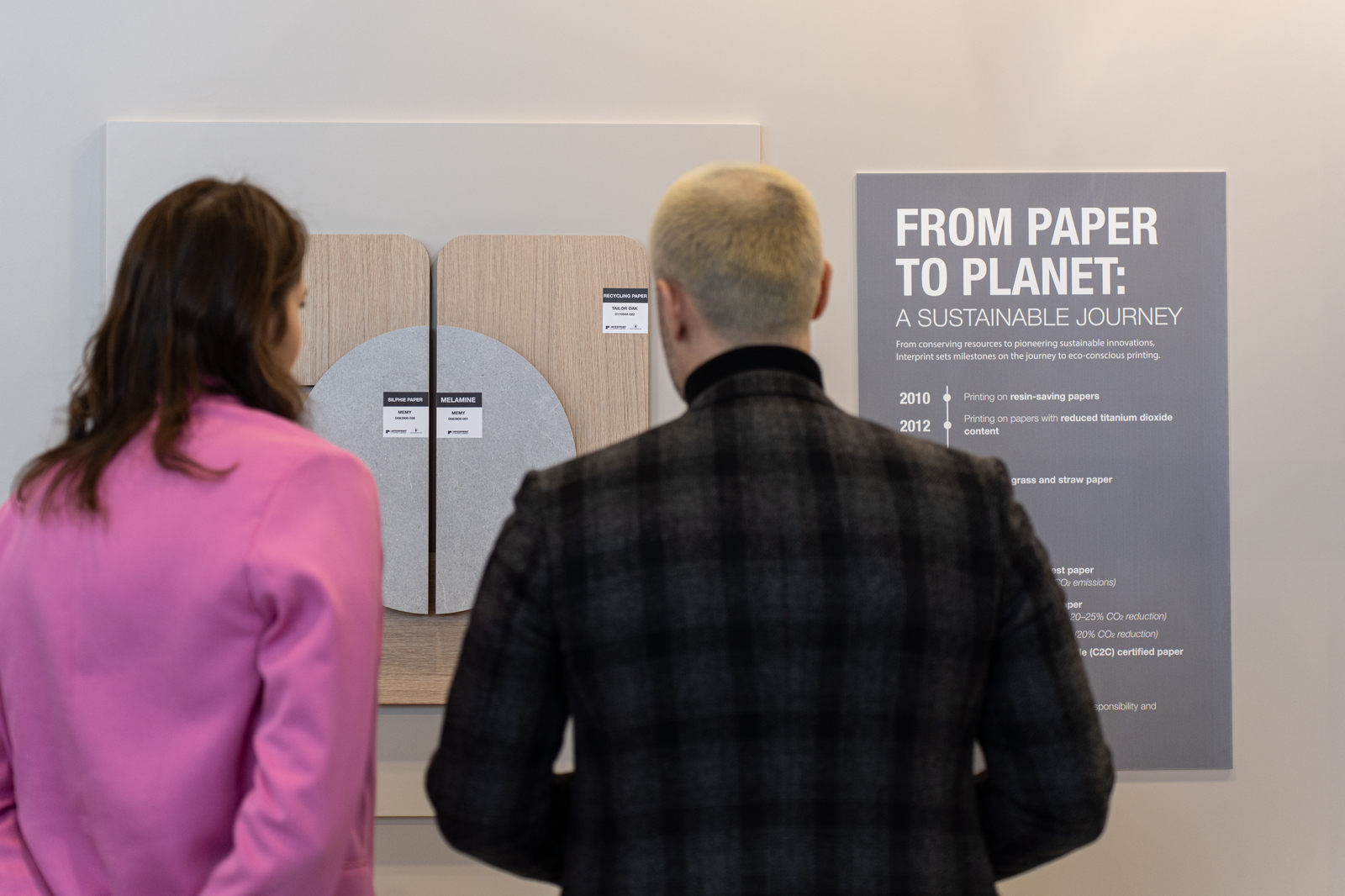
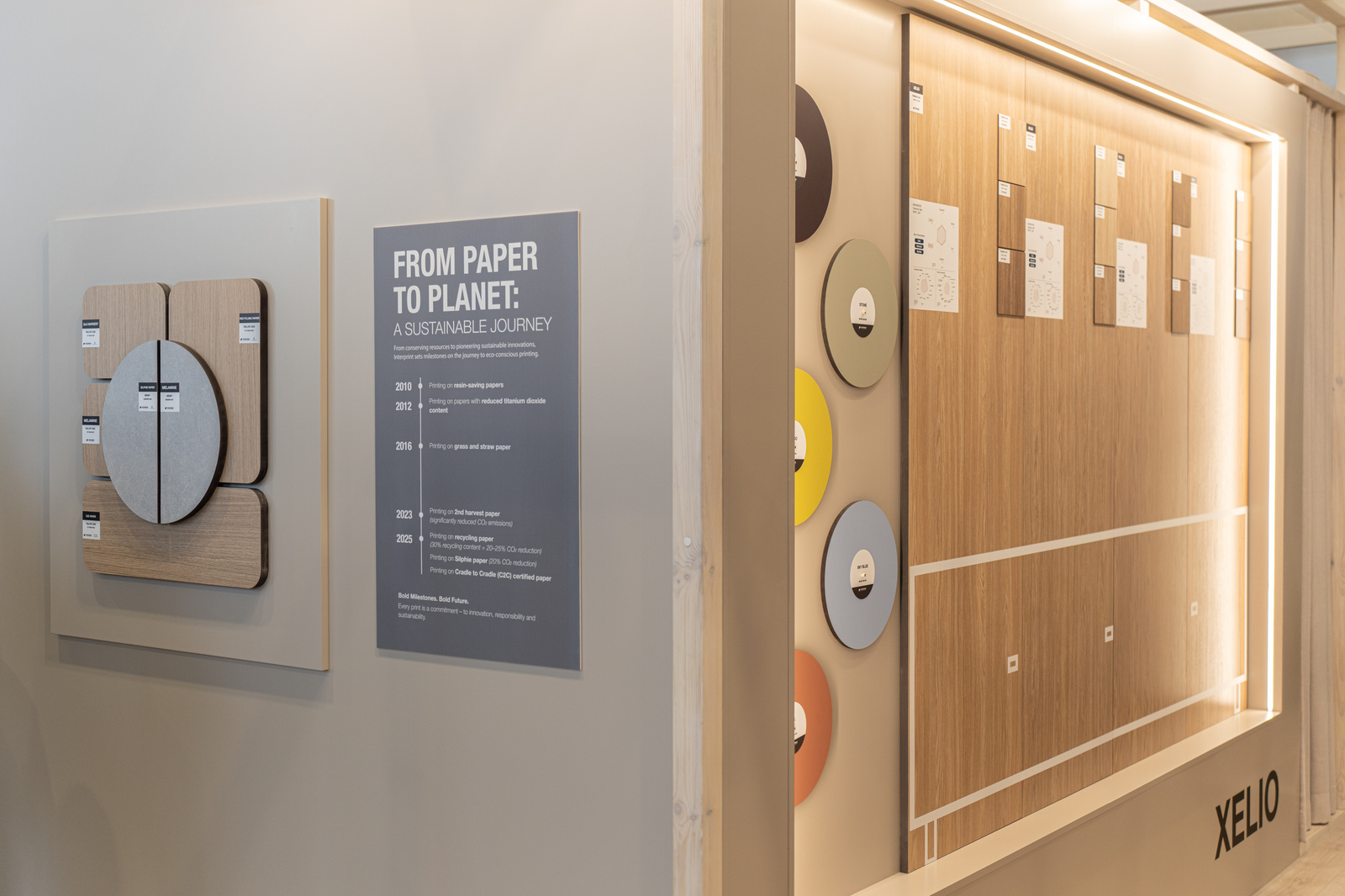
At Interprint, sustainability is not a recent initiative but a process that began back in 2010, long before it became an industry standard. Since then, the company has been consistently developing more responsible base papers that reduce environmental impact while maintaining the highest visual and technical quality.
A central element of this area was an installation presenting the same decors printed on different sustainable papers. The presentation clearly demonstrated that responsible material solutions are not a compromise, but a natural direction for technological development.
Recycled papers, materials certified according to the Cradle to Cradle framework, and the innovative 2nd Harvest Paper, made from fibers derived from agricultural residues, are key elements of this strategy. These solutions are developed in cooperation with partners such as Felix Schoeller and are fully compatible with industrial production processes.
Material designed for real-life use
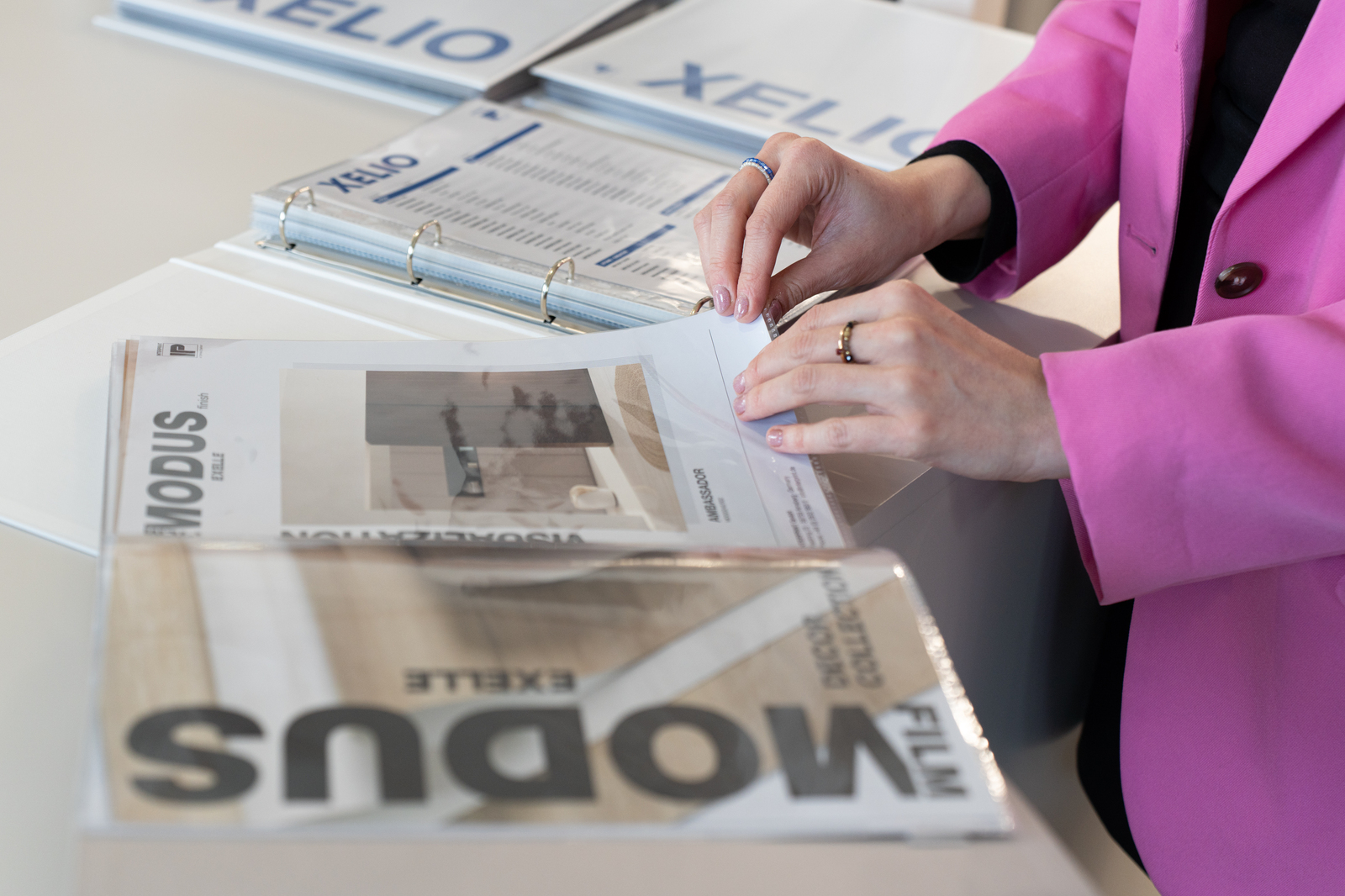
One of the key highlights of the presentation was MODUS Film, a thermoplastic decorative film based on polypropylene and PVC. The material was developed for intensive use and demanding applications.
An interactive kitchen module installation allowed visitors to change decors themselves and observe them within a realistic setting. This made it possible to experience the material at its true scale and within an authentic spatial context.
MODUS is highly resistant to scratches, moisture, UV radiation and chemical agents. It is suitable for applications such as furniture fronts, doors and kitchen or bathroom interiors, combining durability with high aesthetic quality.
Digital printing at architectural scale
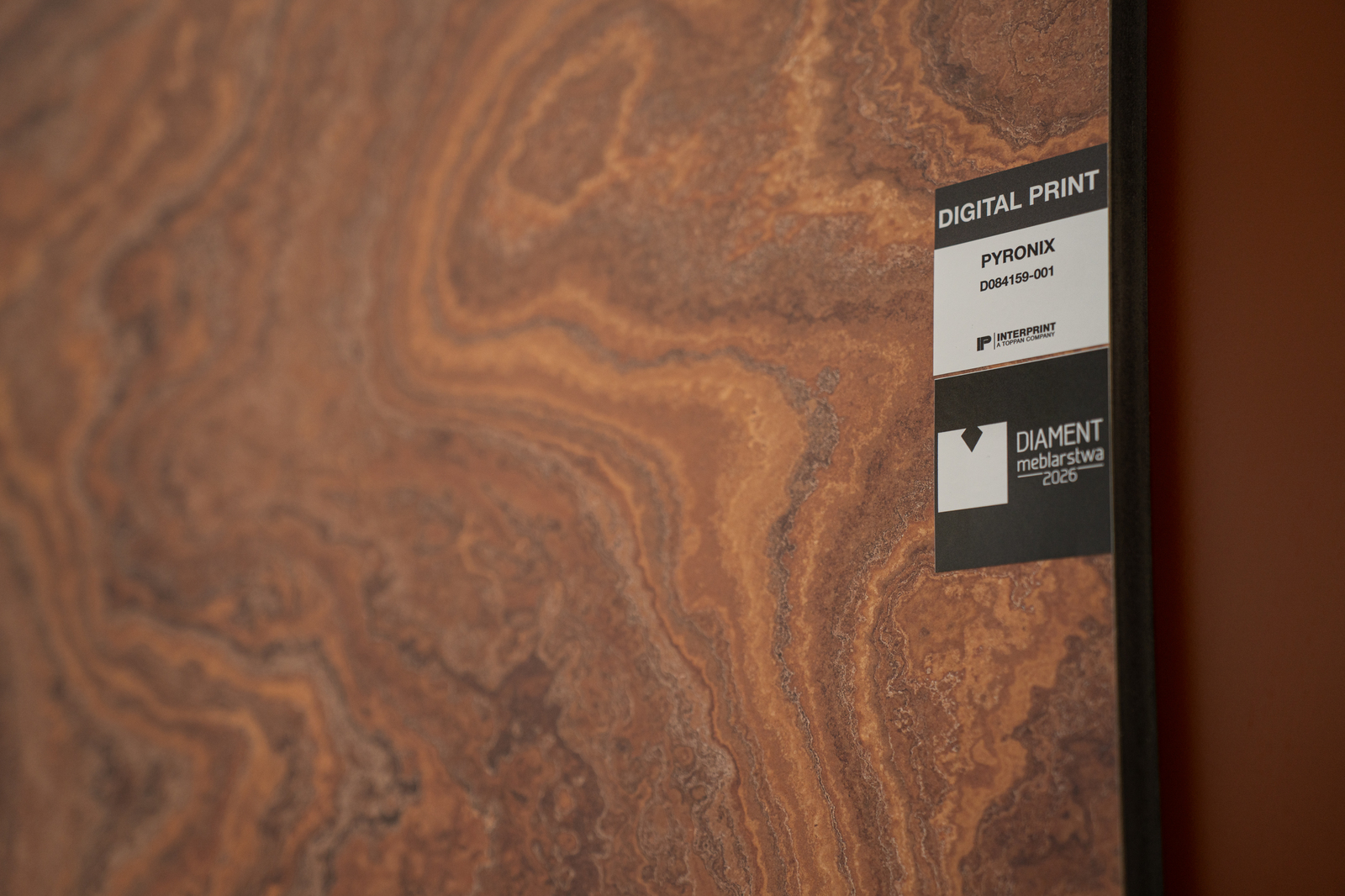
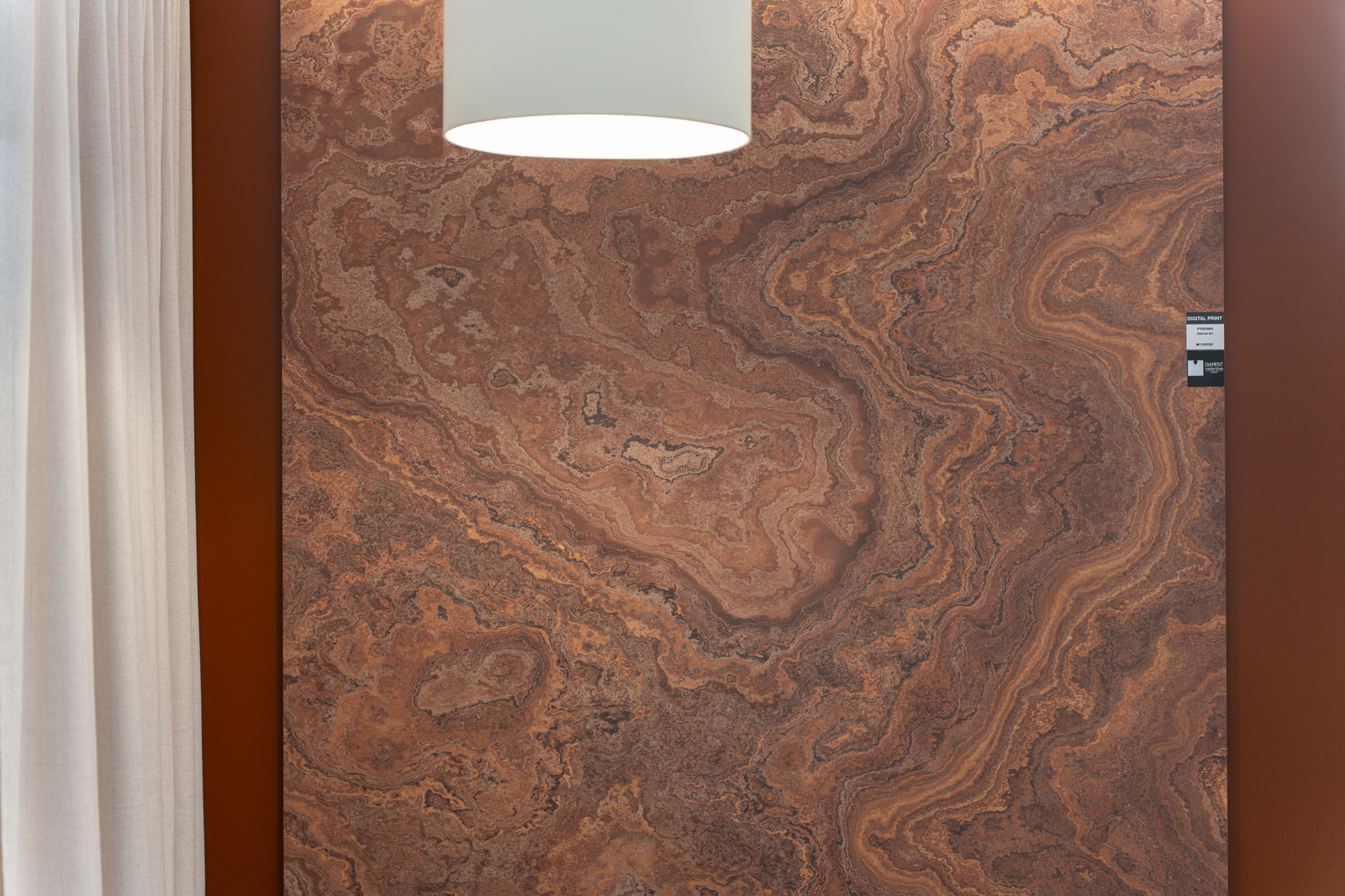
Digital decors were integrated directly into the architecture of the stand, appearing on walls and within meeting areas. Designs such as Pyronix and Calvara demonstrated the potential of digital printing technology in terms of precision, flexibility and creative freedom.
Presented within a realistic interior context, these surfaces revealed their potential as an integral part of contemporary interior design.
Texture that follows the design
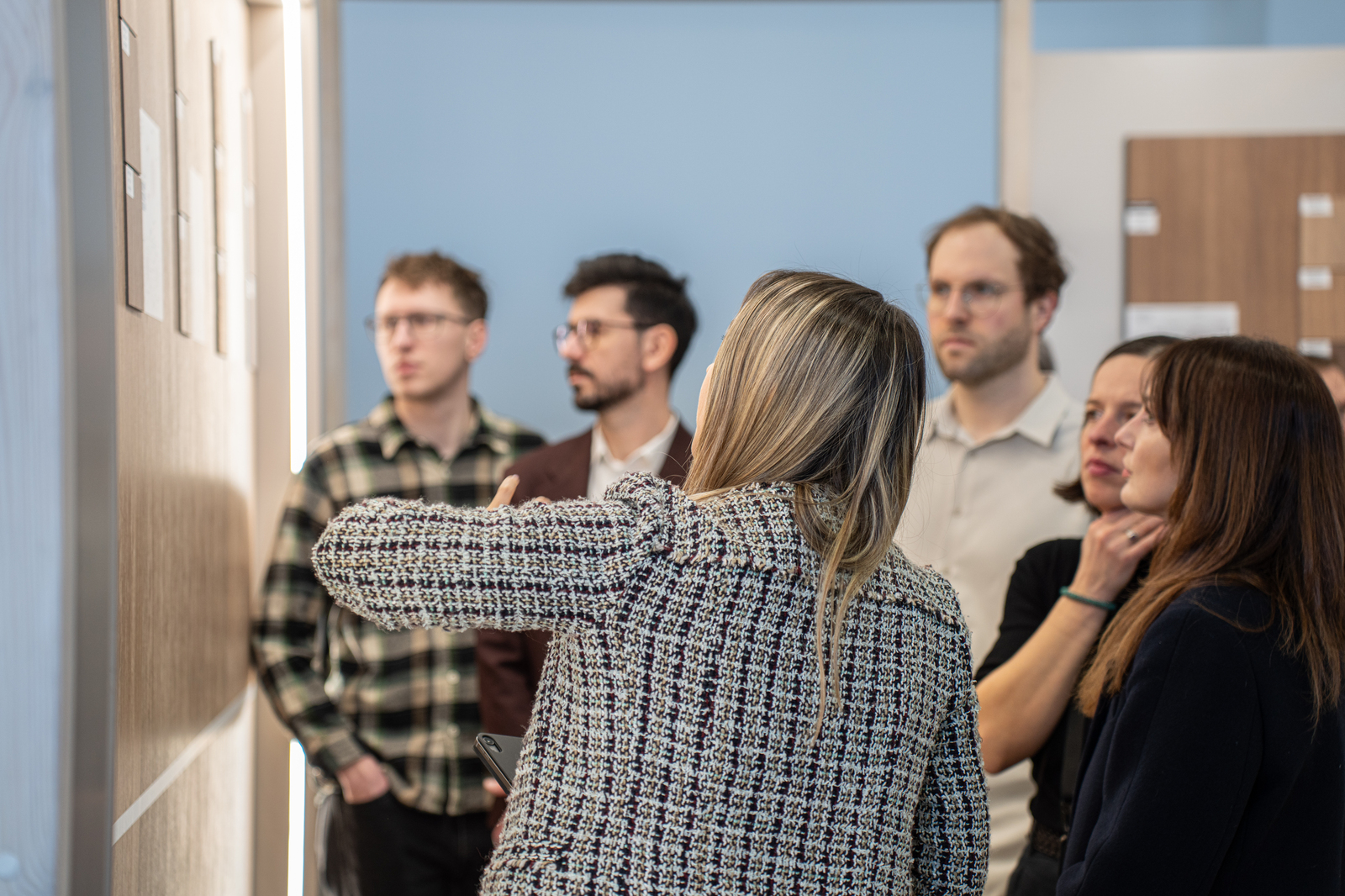
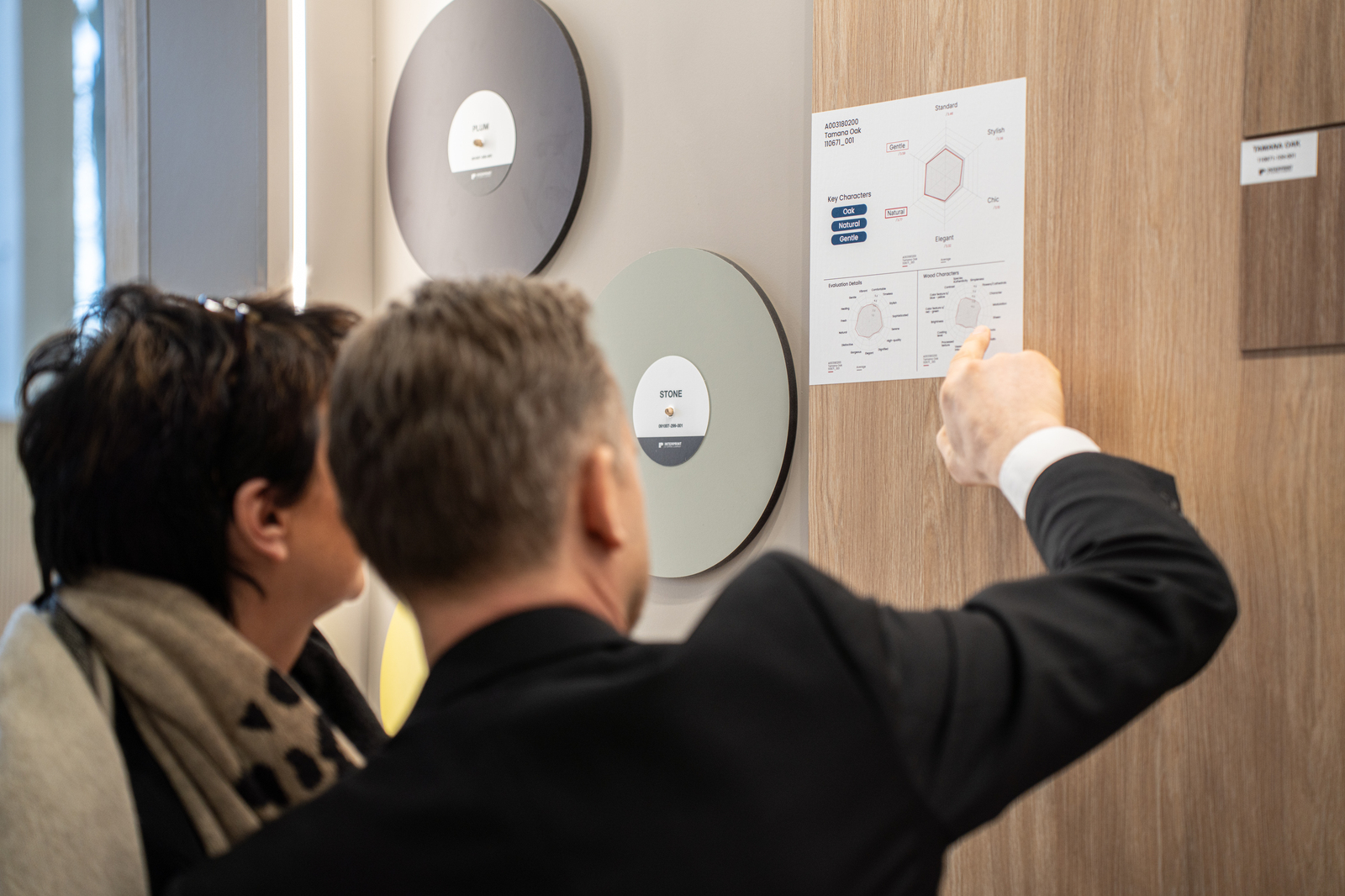
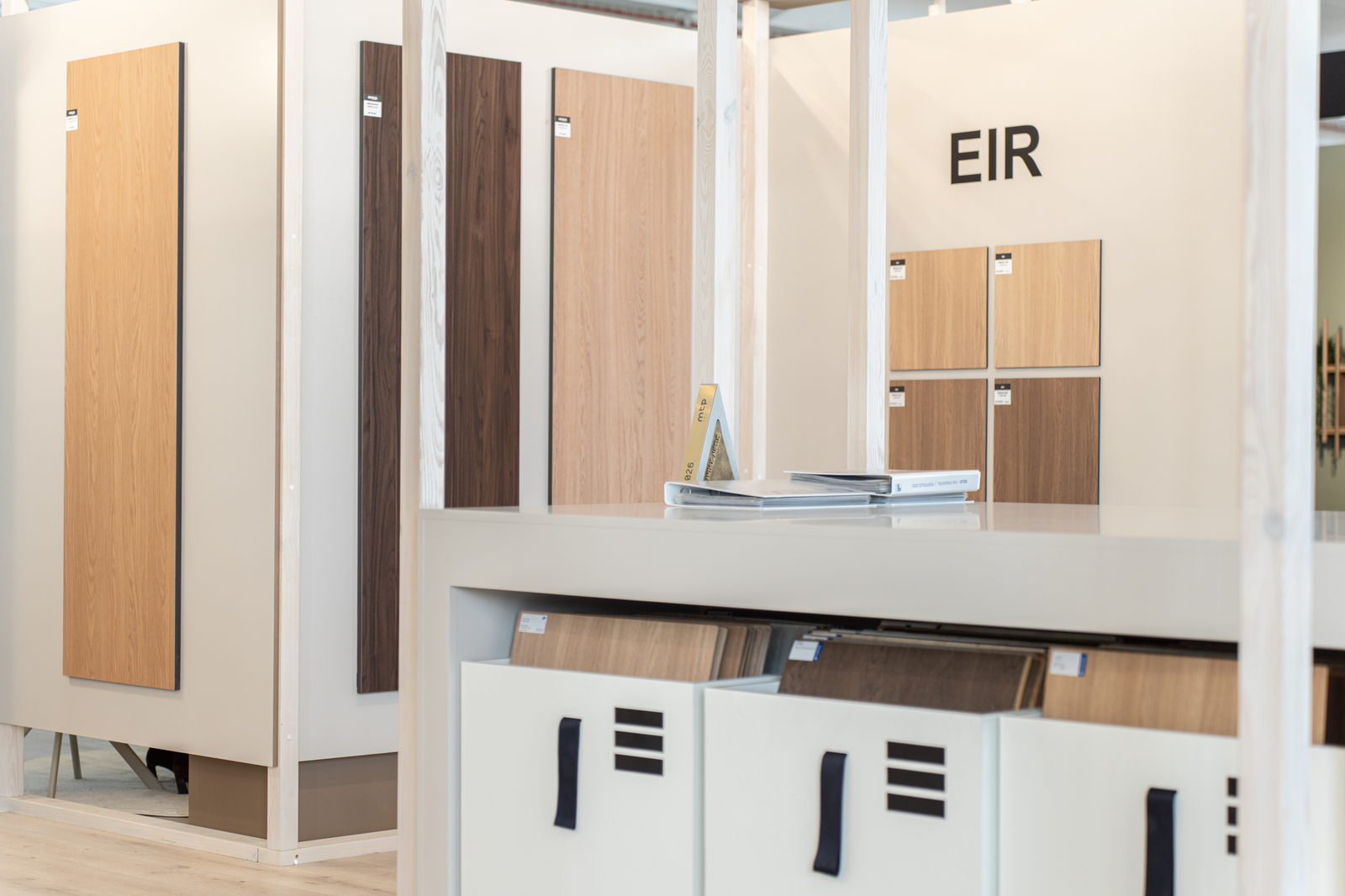
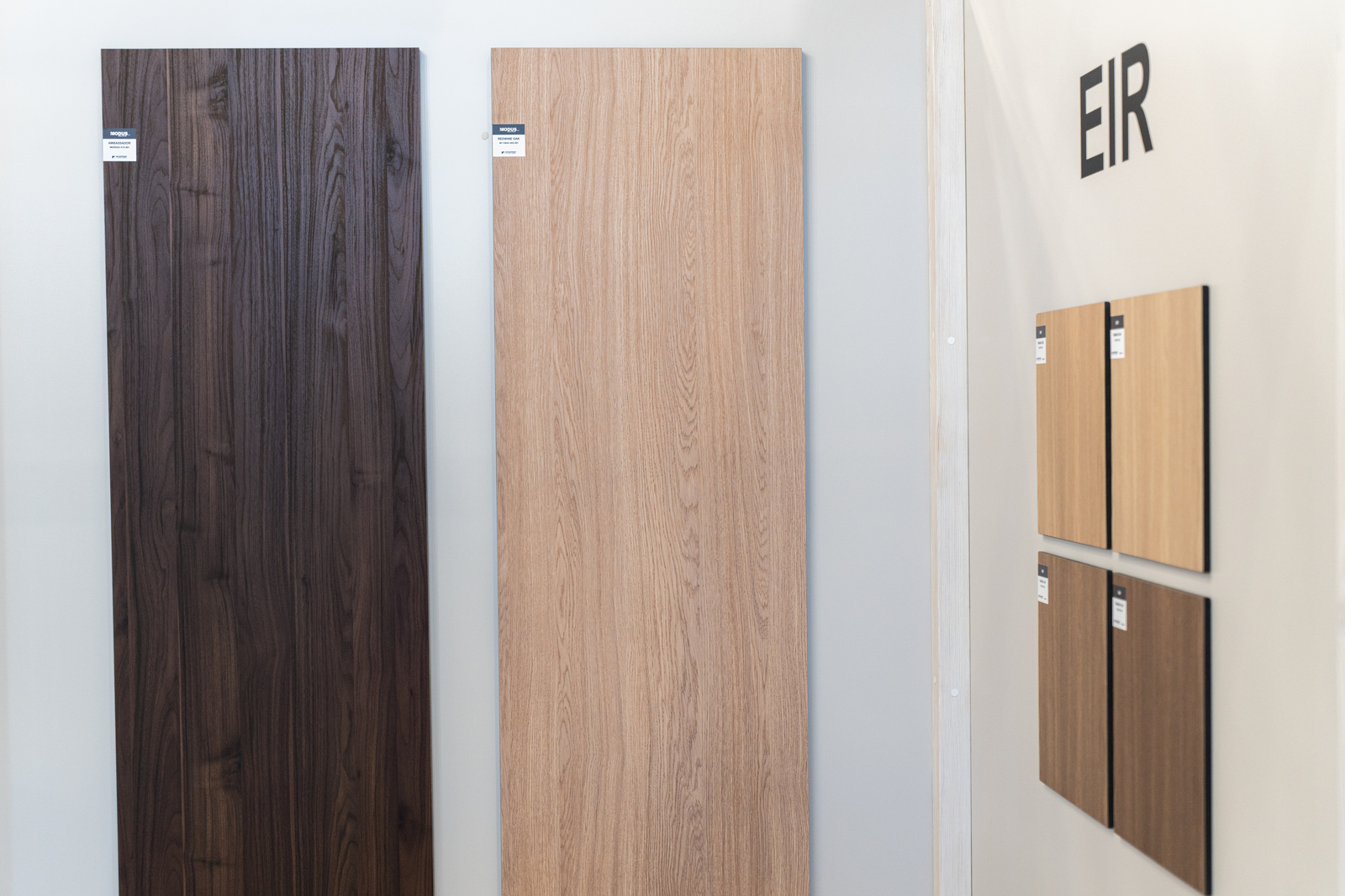
Another striking element of the presentation were surfaces produced using Embossed in Register technology, developed in cooperation with SESA. Using the Tamana Oak decor as an example, Interprint demonstrated how the precise alignment of texture with the decorative pattern significantly enhances realism.
Texture is no longer an addition.
It becomes an integral part of the design.
Surfaces as a key element of future design
Interprint’s presence at Meble Polska 2026 clearly demonstrated that decorative surfaces today are far more than a finishing layer. They are a component that connects aesthetics, functionality and technology.
Through the development of materials, investments in technology and collaboration with partners, Interprint continues to create solutions that respond to the evolving needs of contemporary design and the future of the industry.