IP25 next Level
SICAM
アイデアが具体的な製品になるまで
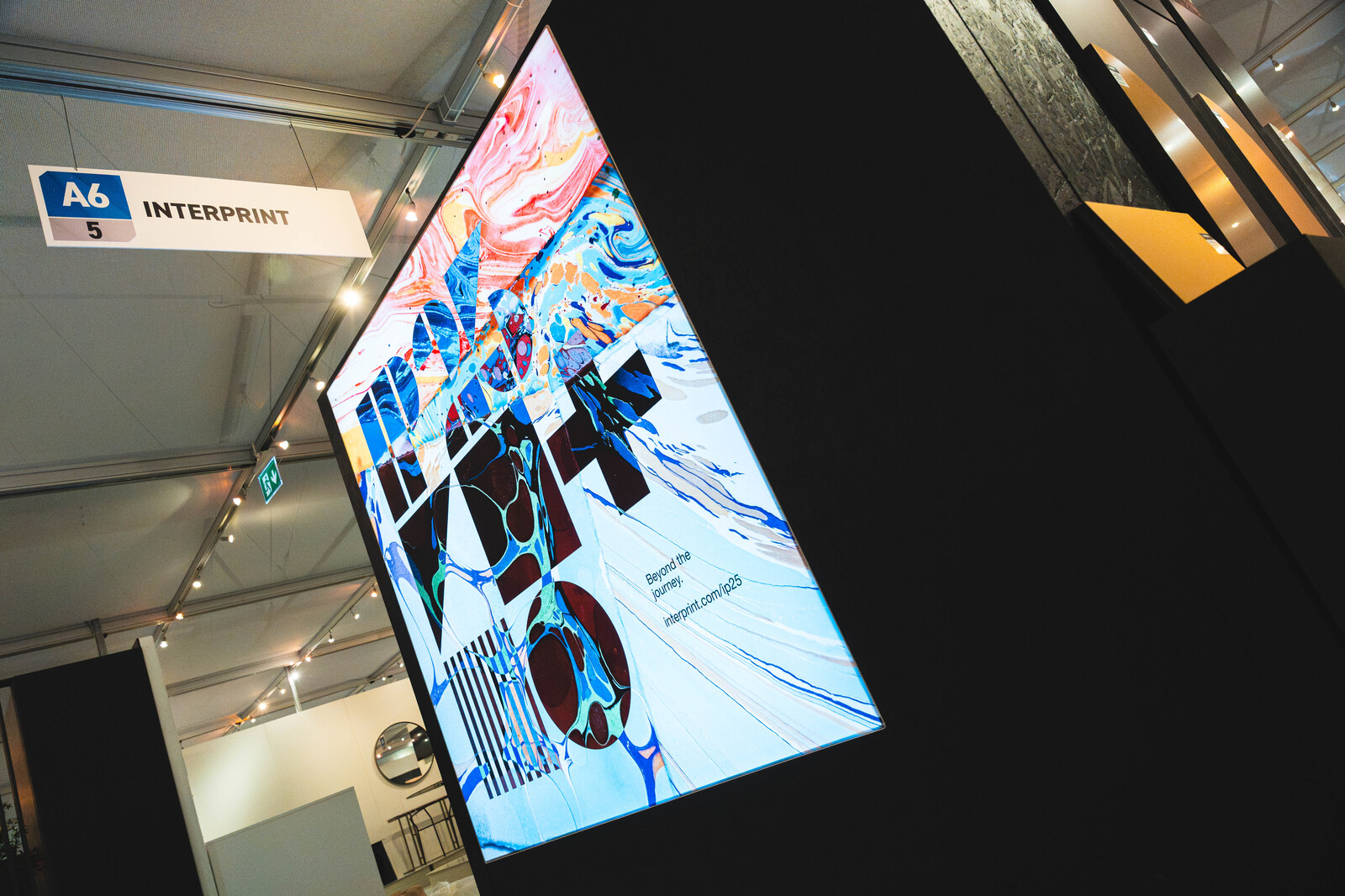
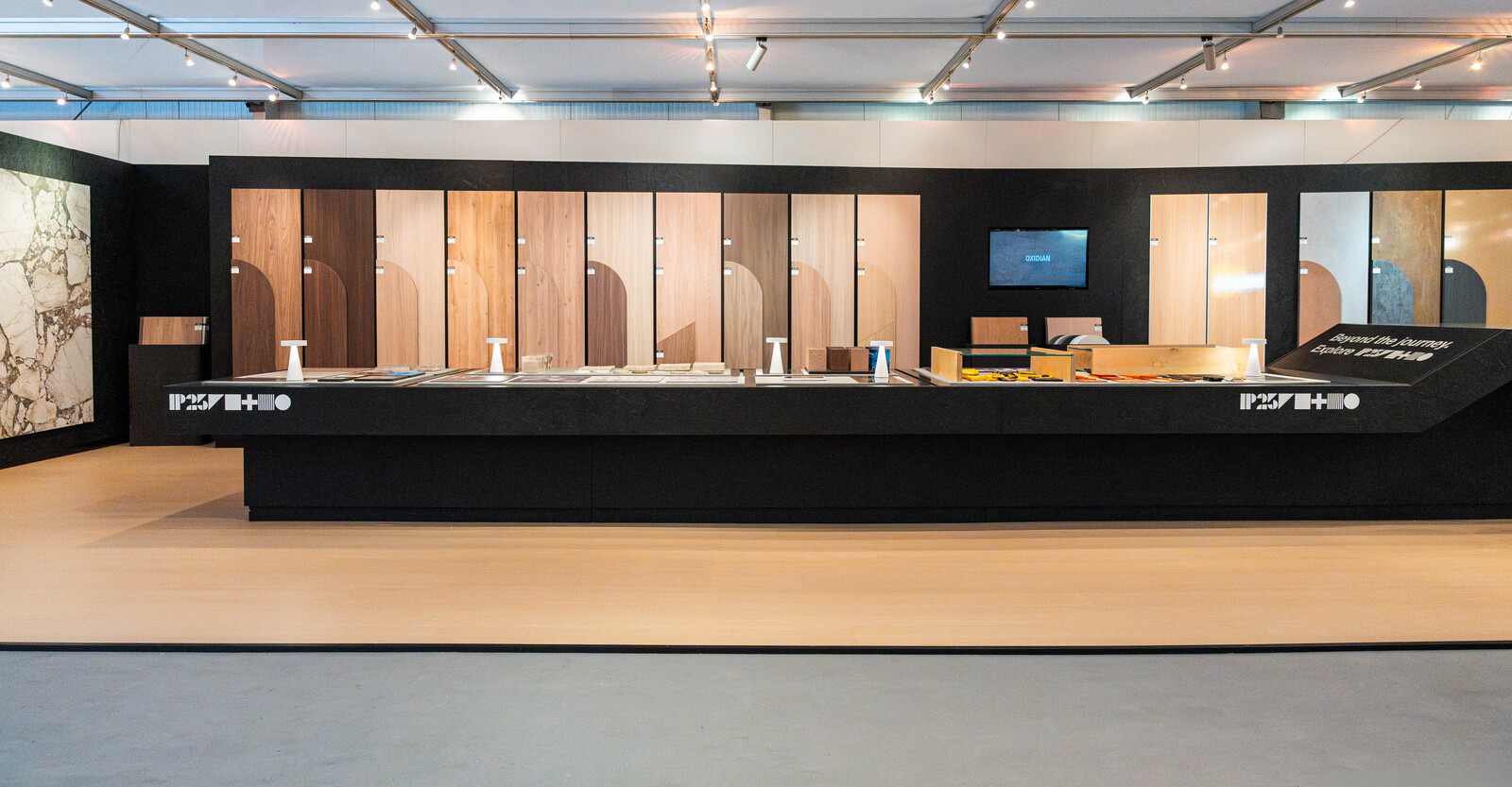
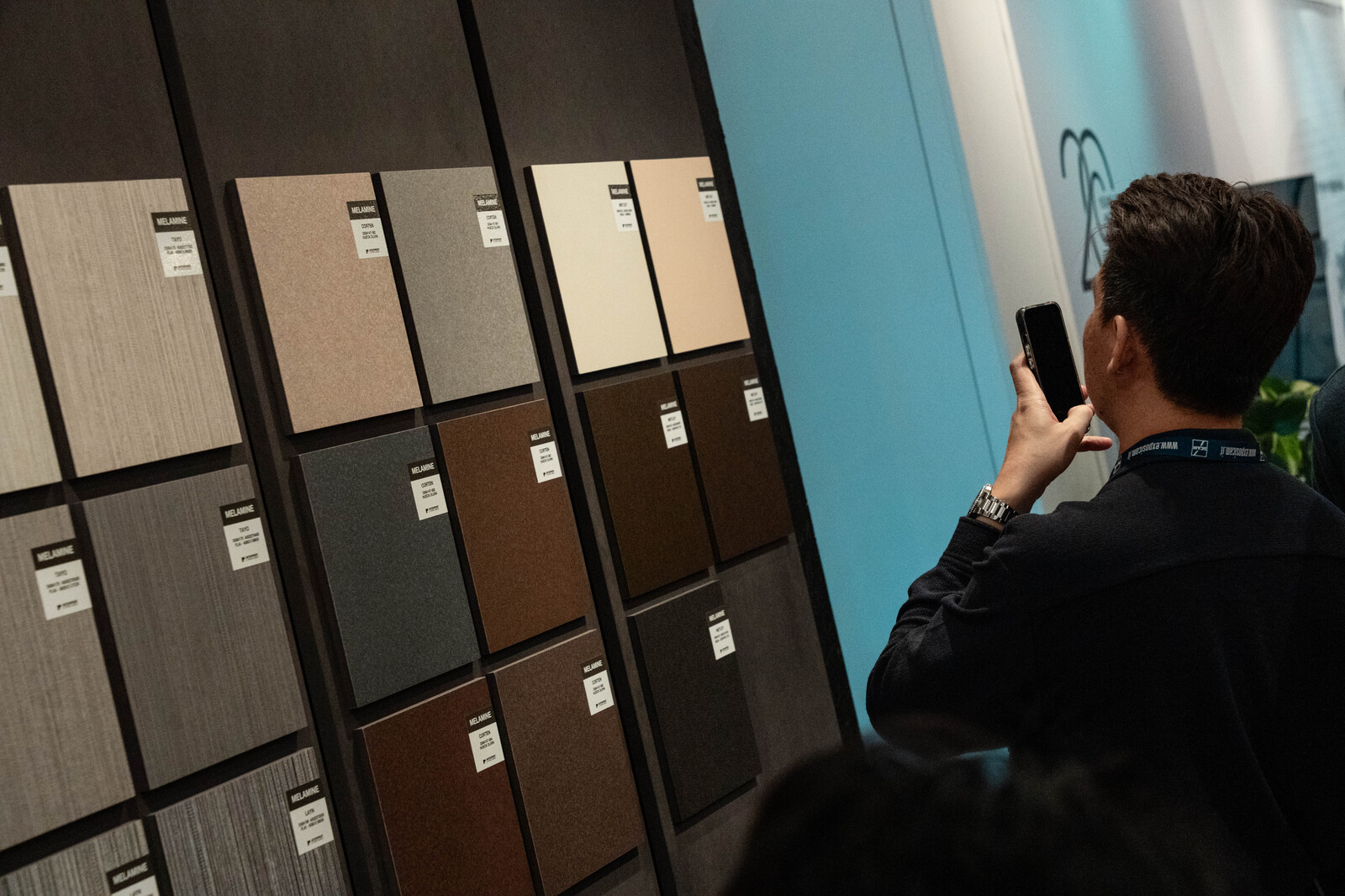
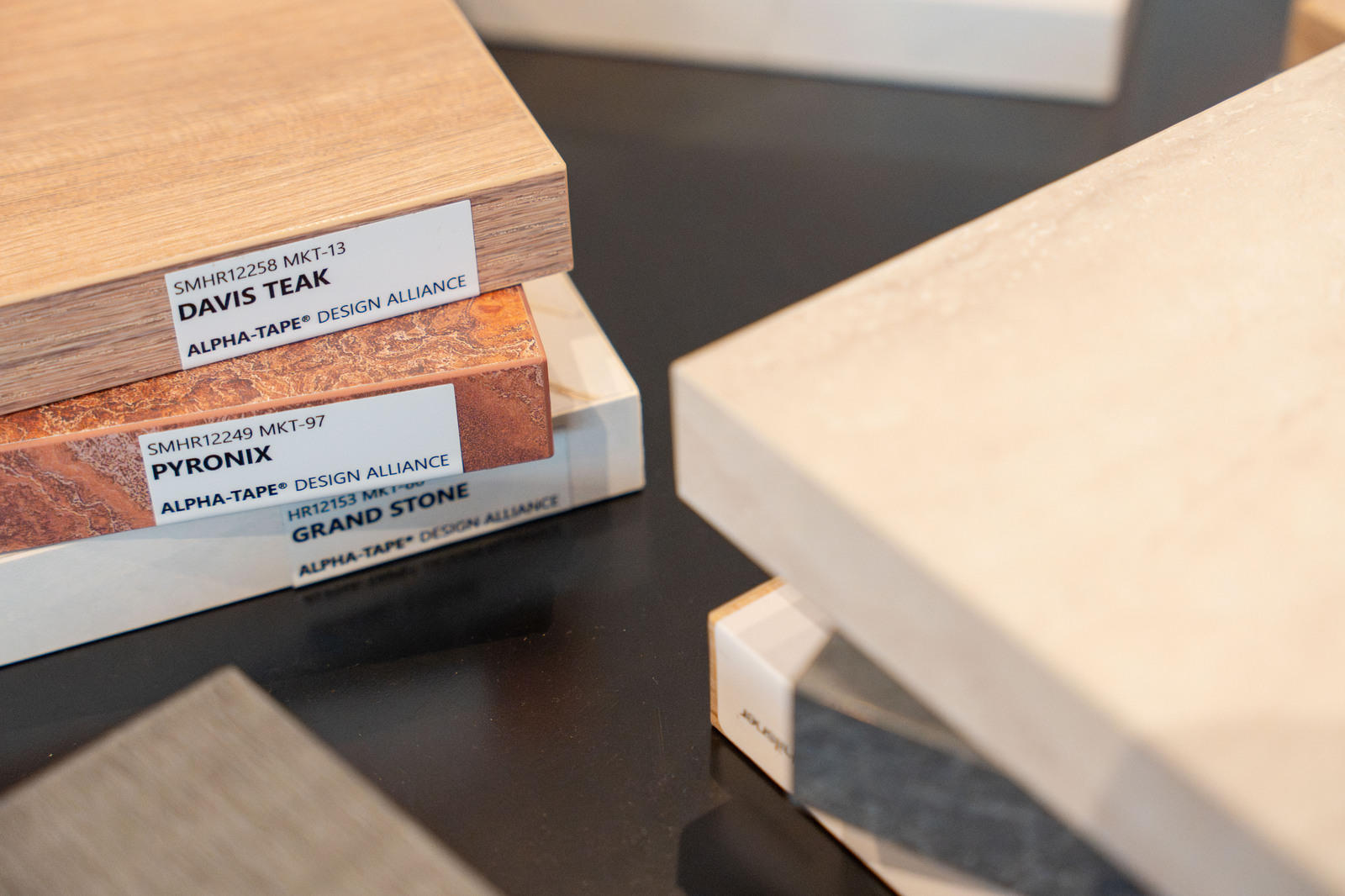
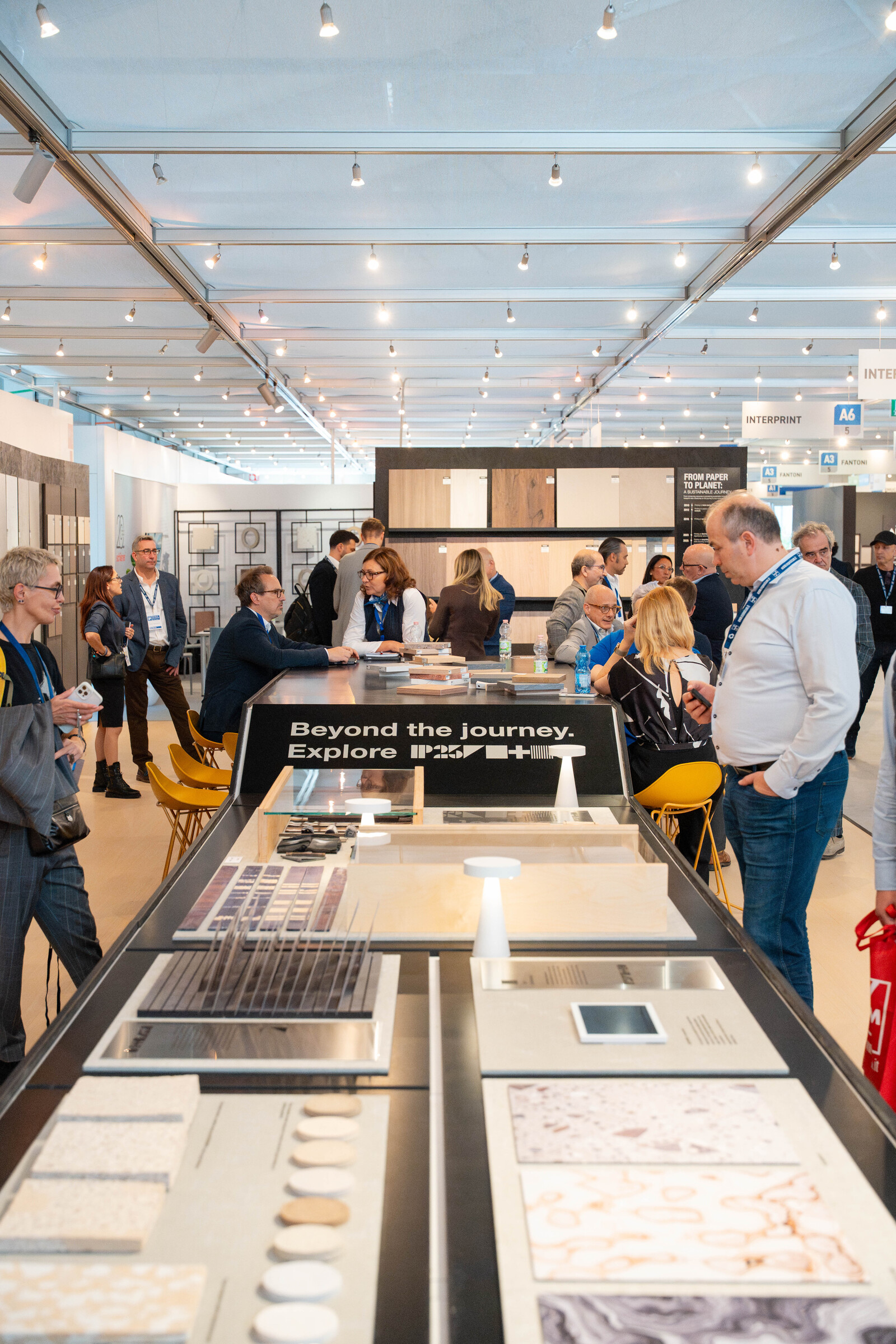
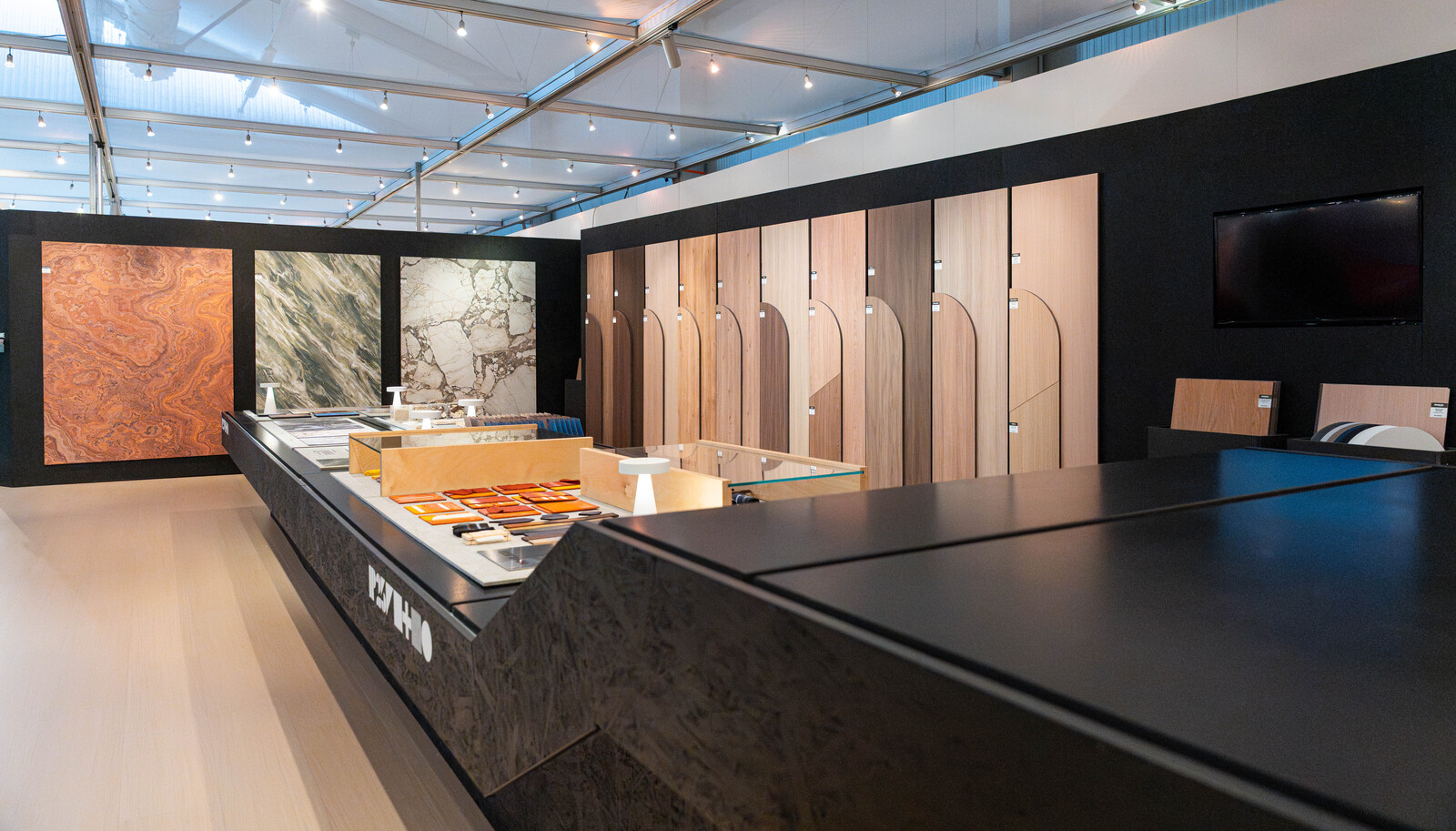
トレンドは繰り返され、市場に出る準備が整う頃には、すでに時代遅れになっています。では、デコール印刷にはまだどのような可能性が残されているのでしょうか。これはInterprint自身が問いかけた、もっともな疑問です。5月に開催されたIP25 OpenHouseは、新たな発想への転換の始まりとなりました。Interprintは、アイデアをめぐる革新的な旅へと踏み出しました。その最初の成果が、イタリア・ポルデノーネで開催されたSICAMで披露されました。そして、それだけではありません。InterprintはMODUSサーモプラスチックフィルムや、サステナビリティへの取り組みによっても、展示会の来場者を魅了しました。
人工知能と、それ自体が生命を持つ素材
「デコールデザインが次のトレンドを待つのではなく、自ら新たな視点を生み出すとしたら、何が起こるのでしょうか?」Interprintはこの問いを掲げ、5月のIP25 OpenHouseに訪れた来場者に、ともに考える機会を呼びかけました。テクノロジー、社会、素材、自然、ビジョンという5つの主要テーマを軸に、何が可能なのかを探求することが目的でした。ここ数か月、デザイナーたちはこの実験的なSurface Matrixを活用し、能動的な知覚を促す新しいデコールを開発してきました。感情的な反応を引き起こすデザイン。インタラクションと注意を向けることによって初めて命を吹き込まれる表面。そして、一過性のトレンドをはるかに超えるデザインです。
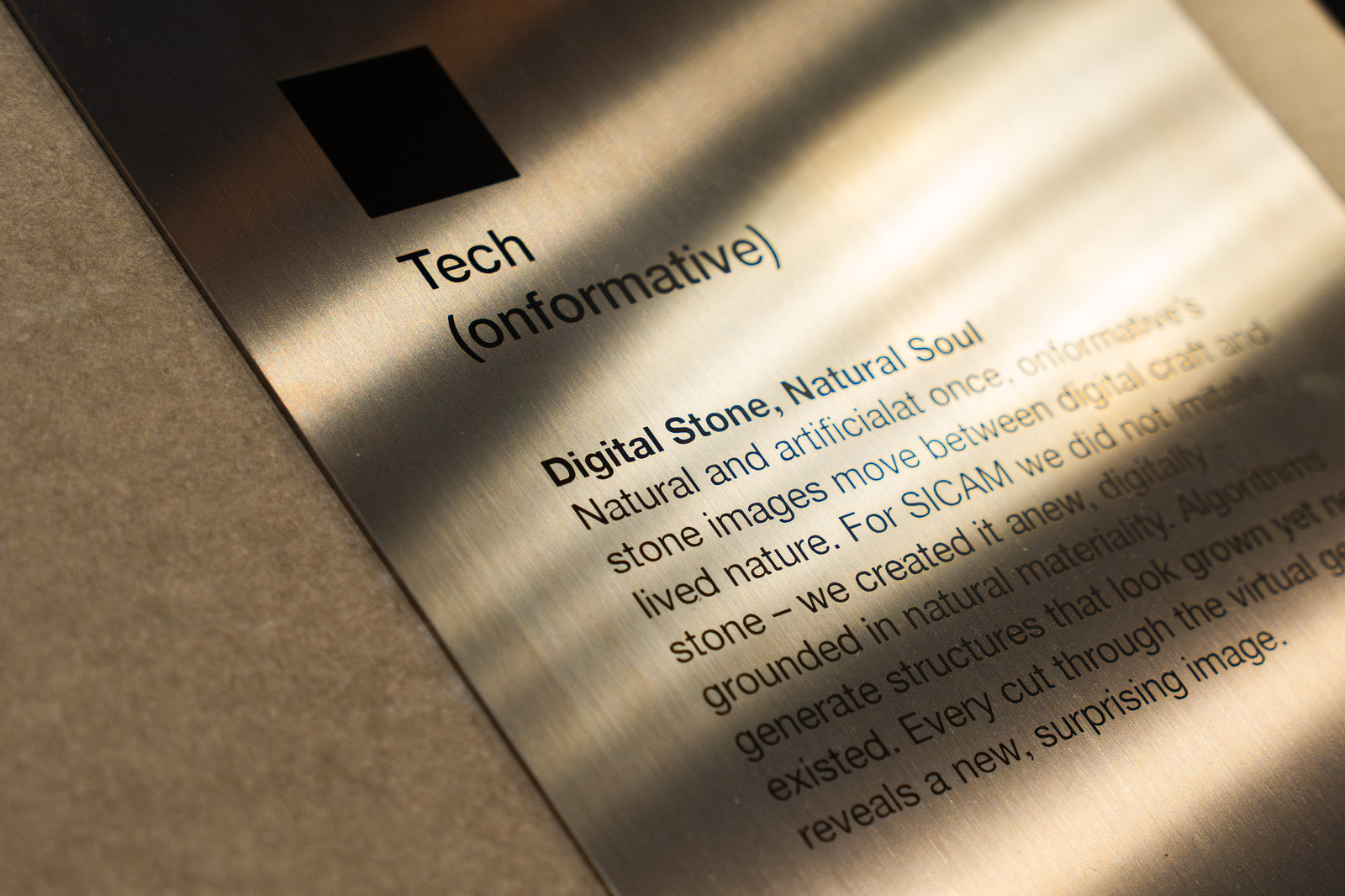
SICAMで発表された最初の石材デザインには、デジタルアートとデザインを手がけるスタジオ、onformative がクリエイティブなプロンプトとアルゴリズムを提供しました。人工知能は、無限ともいえる新たなバリエーションを可能にします。驚くべき素材感。まるで自然に成長したかのように見える、これまで存在したことのない構造。デジタルでありながら、豊かな魂を感じさせるものです。
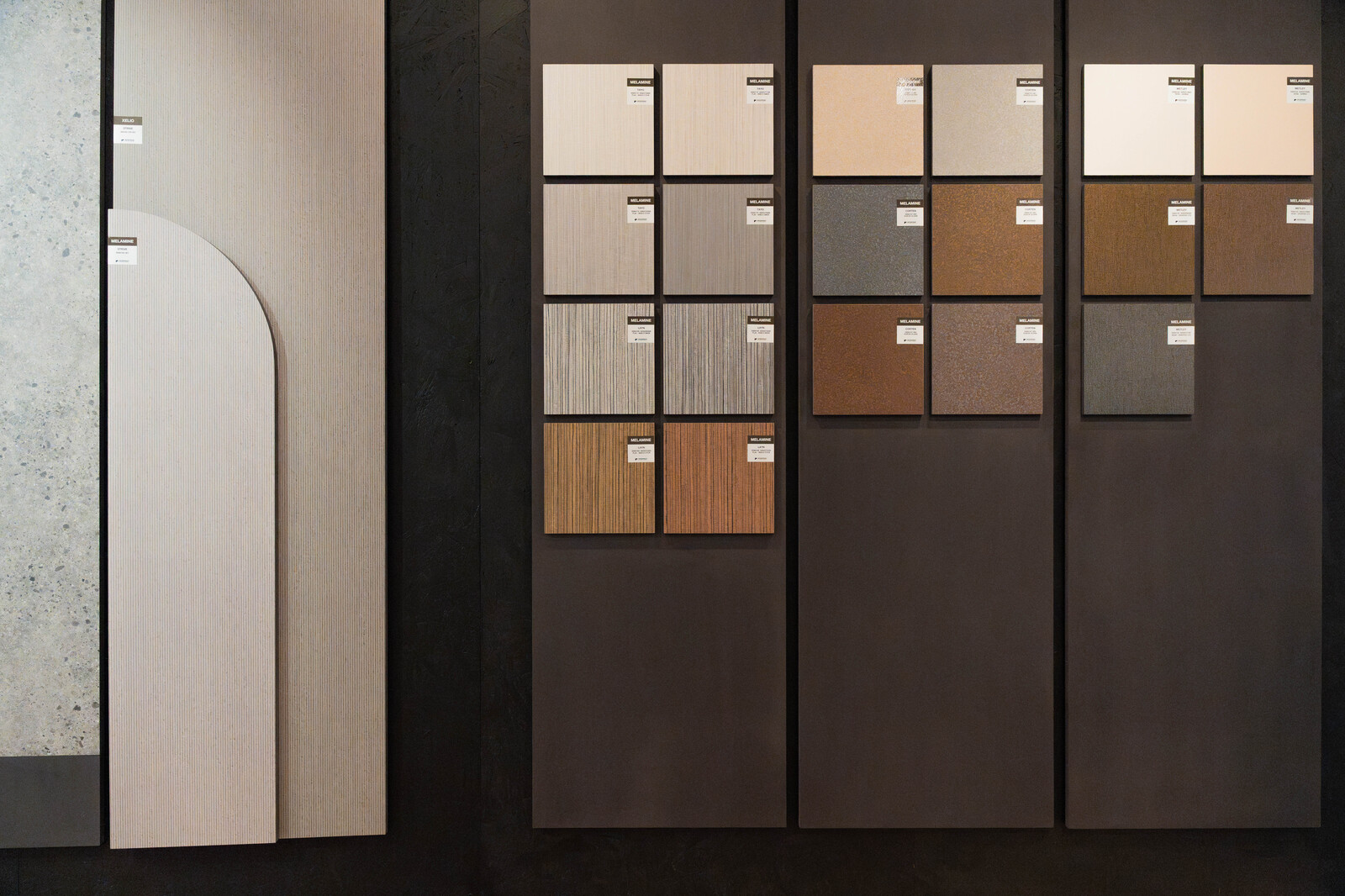
デザインプロセスでは、完璧さとコントロールを追求することがしばしば重視されます。しかし、素材にはそれ自体の生命があります。予測できない。刺激的なもの。マテリアルアーティストの Veronika Moos は、素材そのものがどのようにして独自の表情を形づくるのかを示しています。SICAMで発表されたデコールでは、染色した木製パネルを独立したデザイン媒体として用いることに焦点を当てました。
創造性を促す触媒としてのキノコ、そして資源としての廃棄物
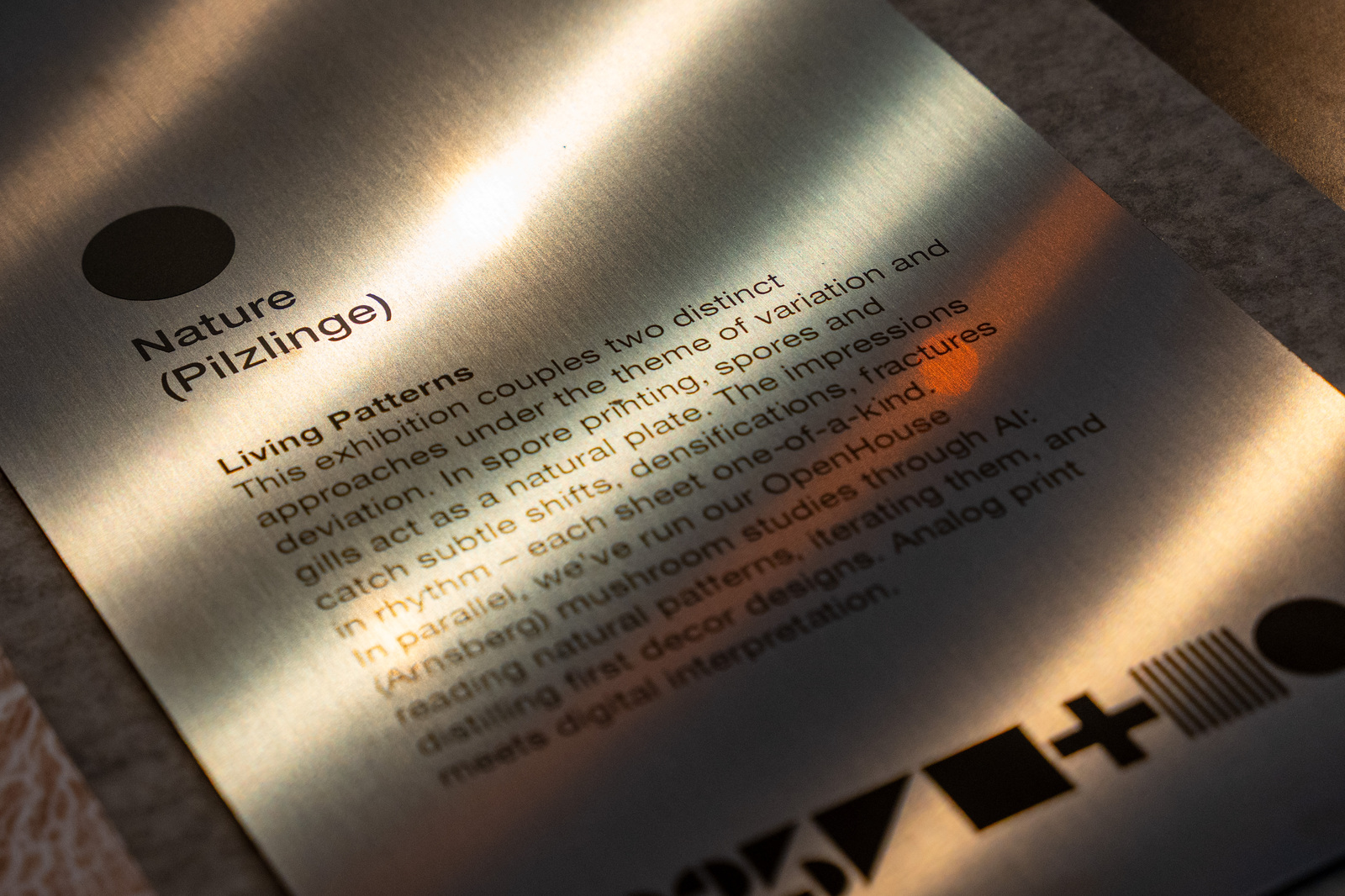
自然は常に直線を描くわけではありません。有機的で複雑なパターンに従います。OpenHouseイベントでは、ケルンを拠点とするキノコ農園 Pilzling との協業による最初のデコール研究が発表されました。キノコの構造とデジタル手法の融合。SICAMでは、Interprintがこの方法によって生み出された最初のAIデコールを発表しました。天然の印刷版としてのキノコ。持続可能で未来志向のデザインに向けた魅力的なアプローチです。
しかし、未来を見据えるためには持続可能性にも目を向ける必要があります。廃棄物を資源として捉えると何が起こるのでしょうか。Interprintは、リスボンを拠点とするスタジオ By the End of Mayとともに、地域に根ざした生産およびリサイクルのプロセスを研究しました。吸音パネルや基材ボードは、同社の紙廃棄物から作られています。SICAMで発表されたプロトタイプは、本当に長く使える古いものから新しいものが生み出されるとき、循環が完成することを示しています。持続可能なデザインアプローチです。
未来のイノベーションのための過去の美学
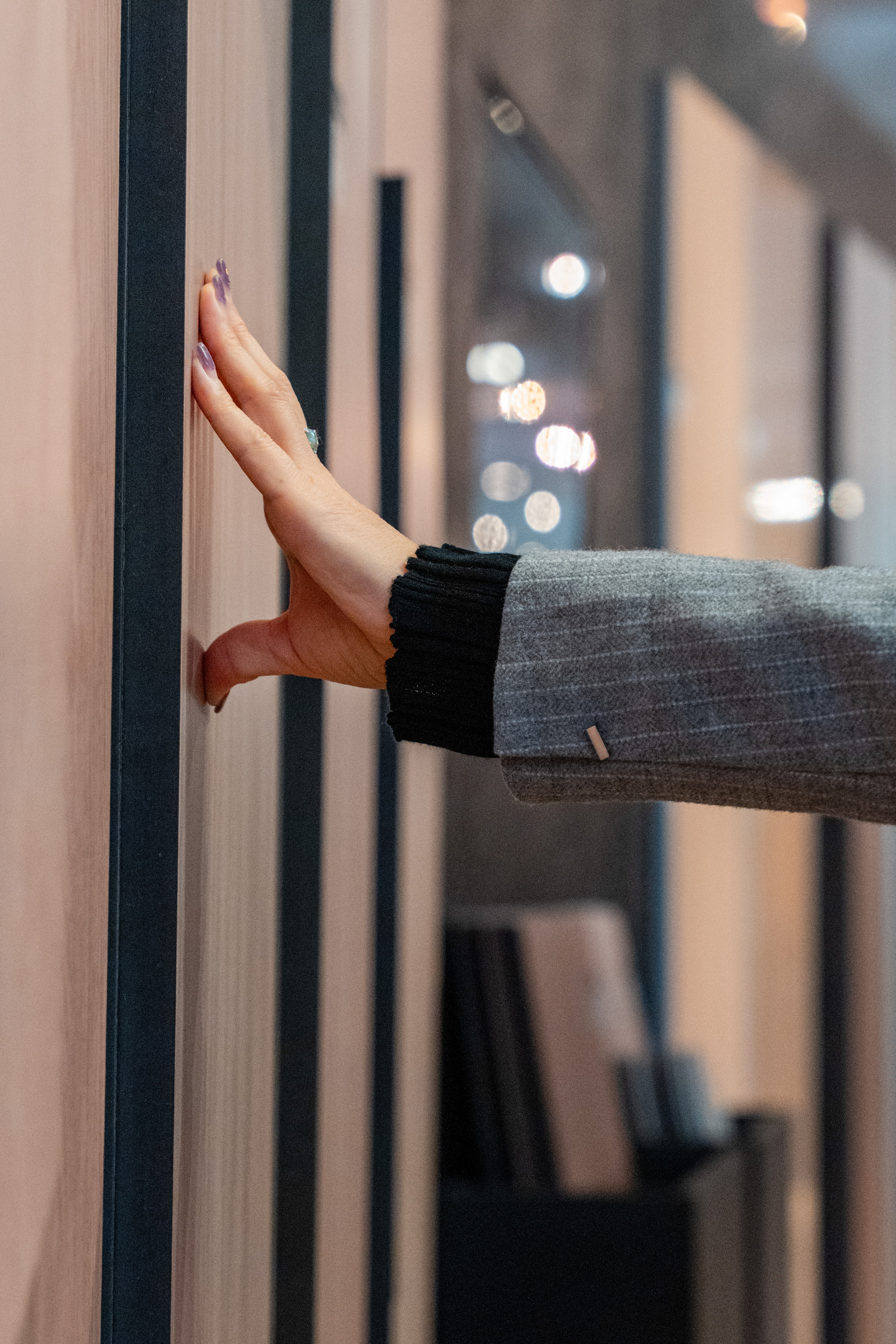
意義があり、長く愛されるデザインを生み出したいのであれば、過去の価値観や形態、そして美意識に目を向けるべきです。そして、それらを現代的なアプローチと組み合わせることです。顧客や専門家との対話を通じて、Interprint は重要なデザイントレンドを見出しました。静けさ、不規則さ、真正性、そして応答性 です。これらは、相互作用によって生命感を帯びる新しいサーフェスの基盤となっています。
MODUS Film – 熱可塑性フィルムによる新たな可能性
SICAMにおいて、InterprintはMODUS Filmシリーズの熱可塑性フィルムを通じて、あらゆるデザイン実験の中でも技術革新を見失っていないことを示しました。特別に開発されたインク受容層により、InterprintはPPとPVCの両方に水性インクで印刷することができ、Industrial Digital Printing にも対応しています。MODUS Print – Analog のOrwill OakとBalveny Oakは、Interprintが紙だけでなく、ロール幅1,450mmのPVCフィルムにも印刷できる最初の2つのデザインであり、統一された製品組み合わせとして提供されています。
MODUS Finish – Exelle Synchro は、高品質な視覚的ポア表現によって製品群を拡張します。MODUS Finish – PET は、フロント用途(例:ラッカーラミネート)向けに開発されました。そして MODUS Finish Plus – r-PET は、熱可塑性フィルムと真の持続可能性を融合させています。30%の再生材含有率により、このMODUS製品はCO₂削減に大きく貢献しています。
持続可能な紙の選択
Interprintは15年以上にわたり、持続可能な紙ソリューションの開発に取り組んできました。そして成果を上げています。紙価格が高いという議論は、もはや重要ではありません。Interprintの目標は、その先駆的な役割を通じて顧客の関心をさらに高め、中期的に持続可能な紙の価格を引き下げることです。
2nd Harvest Paper は、CO₂排出量を大幅に削減した木材非使用の紙であり、市場における意識変革を促しています。この紙の繊維は、年に複数回収穫される成長の早い植物の収穫残渣から作られています。余剰となった材料は、本来であれば焼却または廃棄されていたものです。
ドイツ製の Recycling Decor Paper は、Felix SchöllerによってSICAMで初めてInterprintの創造的なデザインとともに紹介されました。より不均一な質感であるにもかかわらず、Interprintは Silphie Fiber Paper に魅力的なデコールを印刷することに成功しました。これも顧客にとって有望な選択肢です。CO₂ニュートラルで生産される Cradle to Cradle Paper は、再生繊維や再生可能エネルギーなどの活用により、厳格な持続可能性基準を満たしています。Interprintはすでにこの紙のテストに成功し、SICAM以降その製品ポートフォリオに加えています。Interprintにとって、持続可能性における現状は安住する理由ではなく、業界のためにさらなる解決策を模索する原動力となっています。
デコール印刷の未来
IP25の旅は続きます。創造性、好奇心、そして技術的専門性とともに。業界の有望な未来を見据えて。トレンドの制約から自由に。新しいアイデアに対してオープンに。そして幅広い可能性に備えて。あらゆる面で持続可能に。 interprint.com/ip25
More news
